If you’ve got a burning vegan-related question, you can get a definitive answer in this FAQ.
Official Vegan.com FAQ:
If there’s something you need to know that’s not covered here, please visit my comprehensive Vegan Reference Directory, which offers detailed information on virtually every topic of interest to vegans.
Basics
What is a vegan?
Vegans avoid eating all foods of animal origin: meat, fish, dairy products, eggs, and honey. Veganism was originally defined purely as a dietary choice, but many vegans extend this ethic to shun animal testing and exclude animal-derived substances from all things they purchase or wear, including clothing, shoes, personal care items, cosmetics, and medicine.
Why do people become vegan?
You can discover the main advantages in my, “Why Go Vegan?” essay. To summarize its points, the main reasons people become vegan involve:
1) Prevention of Animal Suffering
Most farm animals are raised on factory farms and experience appalling treatment throughout their lives. Animal slaughter is invariably gory and disturbing to witness, and often the animals are clearly frightened and seem to know their death is imminent.
2) Health Benefits
A vegan diet can eliminate many of your diet’s most unhealthful foods, replacing them with delicious, nutrient-rich fruits and vegetables, whole grains, beans, and nuts.
3) Environmental Advantages
Given the staggering amounts of methane produced by livestock, a vegan diet may offer the easiest and most effective way to reduce our contribution to climate change. Vegan diets can also dramatically reduce the amount of land devoted to crops and pasture, since growing food for farmed animals is extraordinarily wasteful compared to growing crops directly for people.
How do I go about becoming vegan?
Less than an hour of reading can teach you most of what you need to know. Start with my “How to Go Vegan” essay. After that, this introduction to vegan nutrition will help ensure you don’t come up short on key nutrients.
After you’ve done this reading, the best way to gracefully move toward a vegan diet is to try new vegan foods at every opportunity. It’s better to put your energy into making a little progress every day than it is to try to be the perfect vegan all at once. Spending a few minutes reading this list of easy vegan foods should help enormously. As you incorporate these foods into your diet they’ll automatically crowd out the non-vegan foods you presently eat.
Finally, even a little time spent reading up on vegan cooking and exploring the best vegan dining options will yield huge rewards.
Transitioning to a Vegan Diet
How hard is it really to become vegan?
Nearly every single vegan you ask will tell you the transition was much easier than expected. While becoming vegan may sound difficult right now, you’ll no doubt be shocked by how how little effort it takes, especially if you take the time to read up on the topic.
Is it better to make the transition gradually or all at once?
If you’re massively committed you certainly go vegan overnight. But it’s obviously easier to take your time to acquaint yourself with as many vegan foods as possible, and then cut out animal-based foods little by little as you feel ready.
Which books and cookbooks should I read?
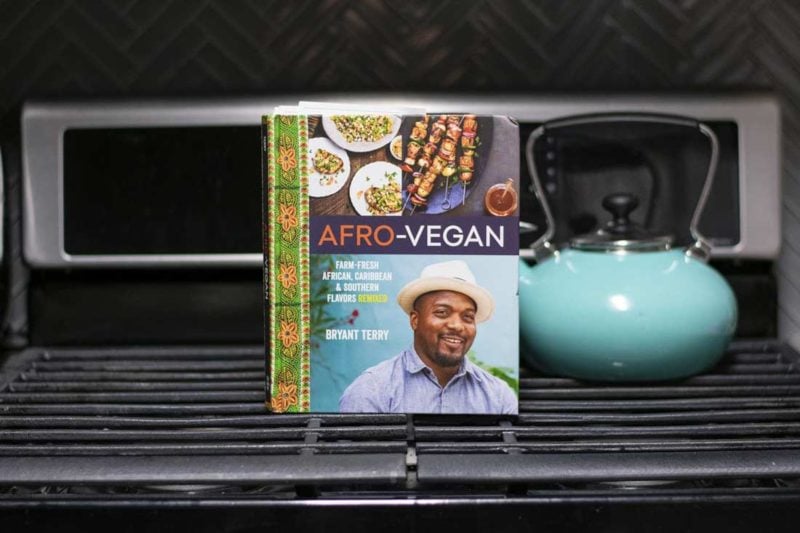
Great new titles are constantly appearing. We regularly update our pages listing recommended books and cookbooks. Make sure your first vegan cookbook is one that’s entirely devoted to quick and easy recipes. Here are a few top choices:
- Big Vegan Flavor, by Nisha Vora
- Fast Easy Cheap Vegan, by Sam Turnbull
- Effortless Vegan, by Sarah Nevins
Also be sure to read my Guide to Vegan Cooking.
What alternatives exist for meat, dairy products, eggs, and fish?
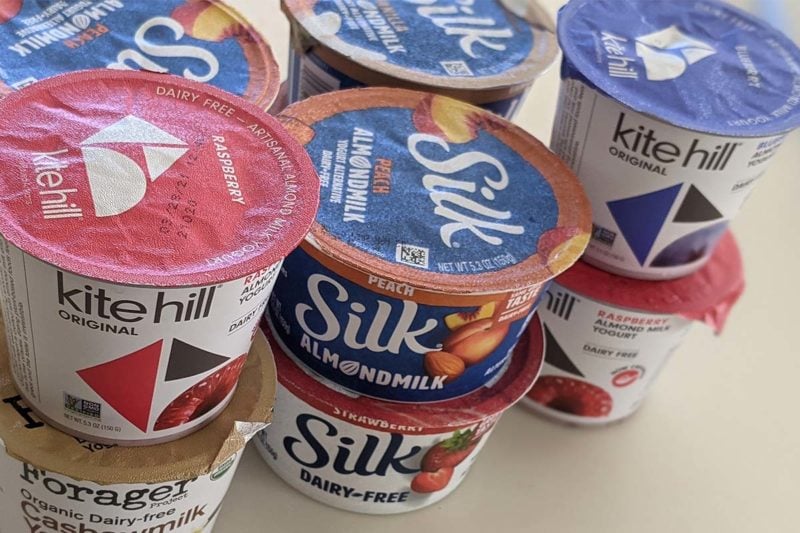
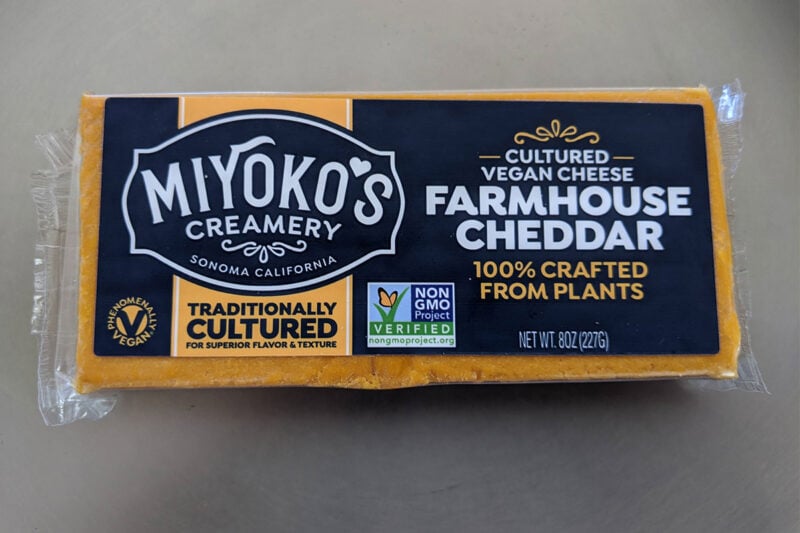
You can find fantastic vegan alternatives to meat, fish, eggs, and every imaginable dairy product, from milk to ice cream to yogurt to coffee creamer. These vegan products are so appealing that worldwide agribusiness interests have a long history of lobbying to forbid the use of words like milk and beef on vegan items.
How do I know if something is really vegan?
Most countries require food products to carry ingredient labels, so it’s usually just a matter of checking the label. Of course, you’ll need to know which of these ingredients come from animals, but that’s an easy task. Our Animal Ingredients page lists substances that are or may be derived from animal products. Additionally, many packaged foods carry seals attesting to their vegan status.
How easy is it to eat vegan at restaurants?
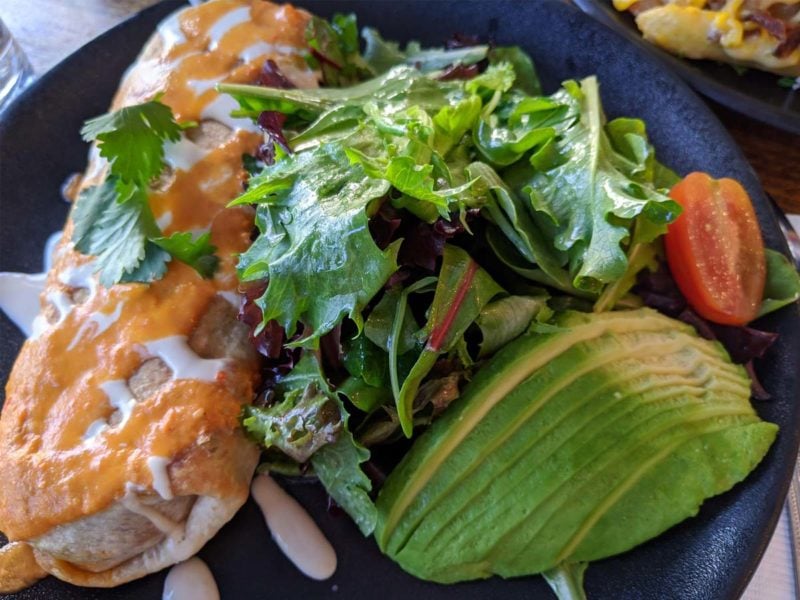
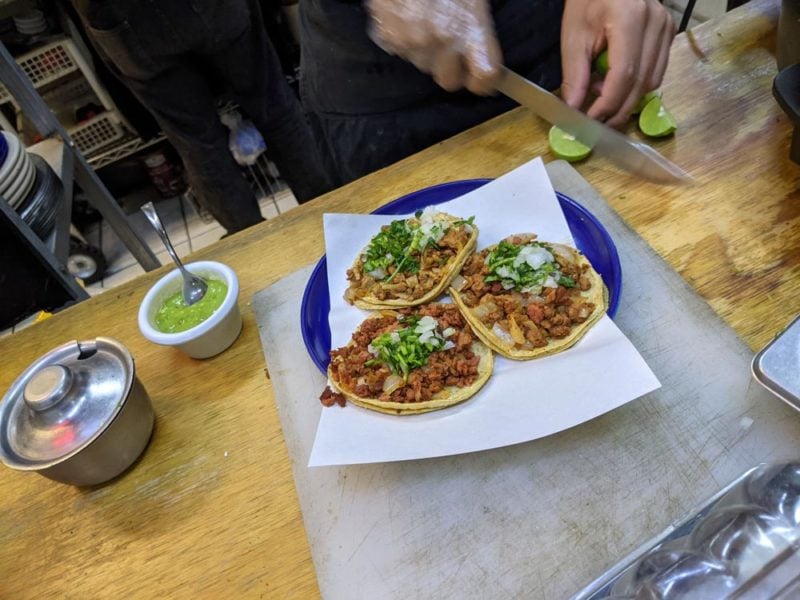
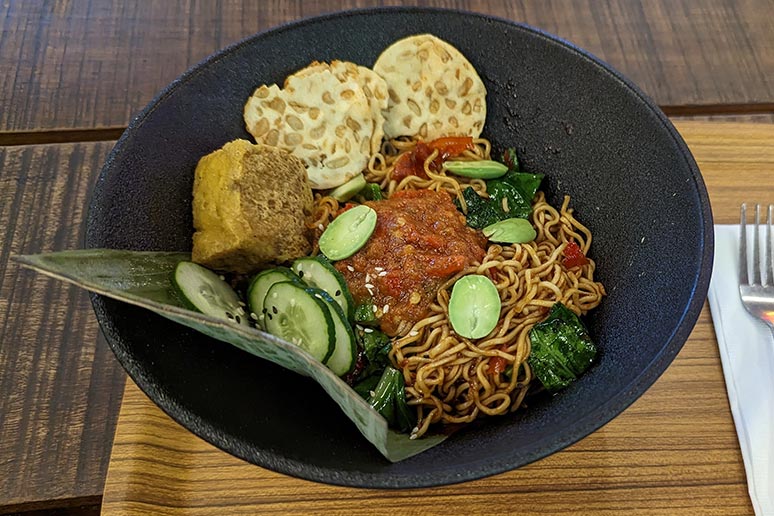
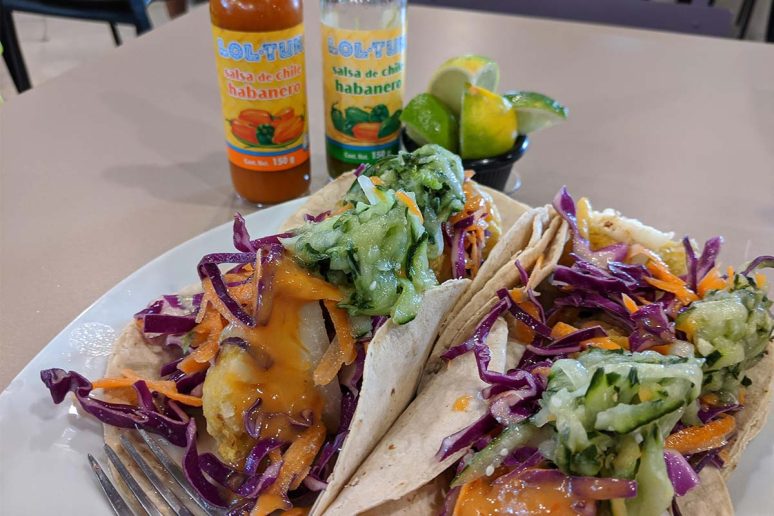
You can get a reliably vegan meals at a wide variety of restaurants, and vegan restaurants are increasingly common. The more you learn about the vegan dishes associated with various cuisines, the better you’ll know your options. Also don’t miss my fast food guide, that takes you through the best menu options from the most popular chains.
You’ll discover that many restaurants go out of their way to offer delicious meals for vegans. Chain restaurants often feature the ingredient list for each menu item on their websites.
Health & Nutrition
What must vegans know about nutrition?
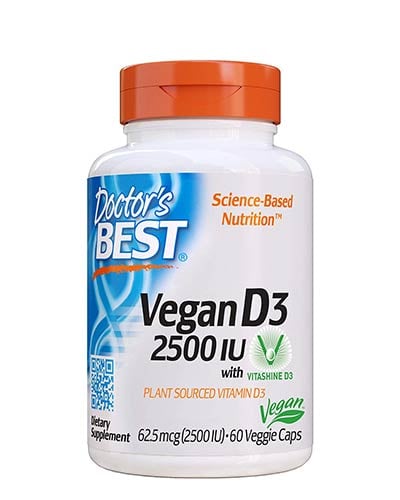
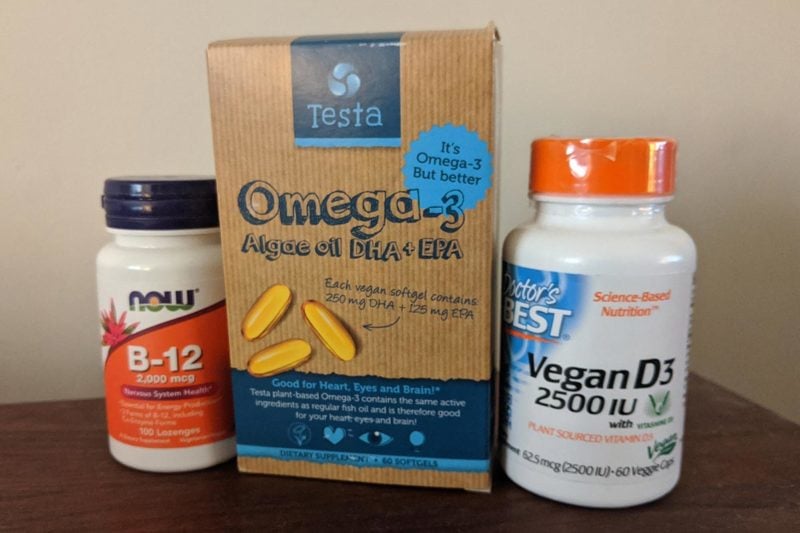
With a little attention, it’s easy enough for vegans to eat an extraordinarily healthful diet. Our Vegan Nutrition Guide explains how to eat well while steering clear of the most common nutrient deficiencies. You may also want to check out our Vitamin & Supplement Guide to learn which products are of particular interest to vegans.
How do vegans get sufficient protein?
You can consume plenty of protein on a vegan diet, but it’s also easy to come up short if you aren’t paying attention. To learn how to avoid deficiency, check out my article covering protein requirements for vegans.
Plenty of delicious vegan foods contain substantial amounts of protein. Including foods like beans, nuts, and tofu with most meals will greatly increase your daily protein intake.
How can vegans meet their Vitamin B-12 needs?
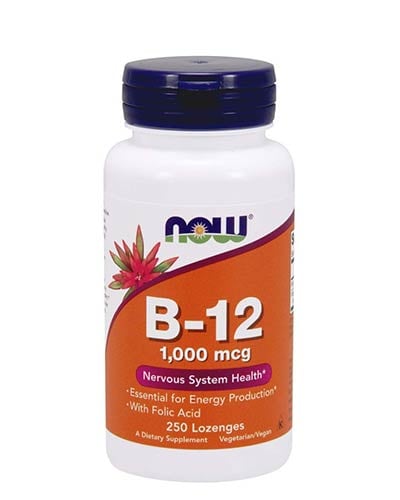
No question related to veganism generates more confusion and inaccurate advice as the topic of B-12, so it’s important to obtain reliable information. For most vegans, the easiest way to ensure excellent B-12 status is to take a cheap high-dose cyanocobalamin-based sublingual tablet every two or three days.
How do vegan foods reduce threats to the public health?
The meat, fish farm, and dairy industries use staggering amounts of antibiotics. Many of these antibiotics aren’t used by farmers to treat infectious disease, but are rather added to feed in order to boost growth. MRSA superbugs and related dangerous infectious organisms are often attributable to animal agribusiness’ massive of antibiotics, as well as its practice of crowding vast numbers of animals together on factory farms.
Can a vegan diet support high levels of athletic performance?
When it comes to fitness and athletics, a well-planned vegan diet will never hold you back. Several of the world’s best ultra-endurance runners are vegan, as are a large number of professional athletes and competitive bodybuilders.
Animal Ingredients & Testing
Is honey vegan?
Since honey is produced by bees, it is not vegan. That said, many people who are otherwise vegan will eat honey on occasion, because its production is not associated with the egregious cruelties that are widespread in farms and slaughterhouses. Yet even with that acknowledged, there are nevertheless several good reasons to avoid honey. See my honey page for details.
What is the vegan status of beer, wine, and distilled spirits?
Most beers and nearly all distilled spirits are vegan, and many wines are vegan as well. Barnivore.com is the definitive resource for checking the vegan status of various brands of beer and wine.
Why avoid animal-derived apparel materials like leather or wool?
Numerous types of animal fibers are commonly used to make clothing and apparel. These fibers include down, wool, silk, and fur. Additionally most shoes, belts, and wallets are at least partly made of leather. All of these materials invariably involve a great deal of exploitation and suffering. The purchase of leather boosts income derived from raising livestock, thereby causing more cattle and pigs to be raised and slaughtered than would otherwise be produced.
What vegan options exist for cosmetics, makeup, and personal care items?
As growing numbers of people object to animal testing, the market for vegan cosmetics and personal care items is expanding. Many personal care and cosmetics products carry seals indicating that they were neither tested on animals nor made from animal ingredients. No matter what you’re looking for—whether it’s deodorant, mascara, shaving cream, or shampoo—you can find a number of vegan-certified products. Our personal care and makeup pages list top vegan brands.
What if I need medication that’s derived from animals?
Alternatives may be available. Sometimes the medication you need will be vegan, but only available in gelatin capsules. In these cases, you can have your doctor write a prescription for the medication to be put into vegan capsules by your local “compounding pharmacy.” This preparation method will of course entail some added expense but it’s usually quite moderate compared to the price of the medication.
If you require an animal-derived medicine to treat or manage a health problem, it makes sense to take it. You can still accomplish enormous amounts of good based on your dietary choices alone even if you must take a non-vegan medication. And if you are engaged in even a little vegan advocacy, the contributions you can make by being on earth will certainly far outweigh whatever negative impacts are associated with your medicine’s production.
Miscellaneous Questions
Why do vegans object to free range eggs and organic milk?
If you are uncomfortable witnessing or funding animal slaughter, you should know that free-range hens and pasture-raised dairy cows are typically slaughtered before midlife. Just like their factory farmed counterparts, these animals are replaced by younger ones as their yields decline to unprofitable levels.
Leaving that aside, it’s also difficult and inconvenient to verify whether a given producer complies with its animal welfare promises. I cover these important topics in detail in my Why Go Vegan? essay.
Is a vegan diet more or less expensive than a non-vegetarian diet?
It’s hard to make a blanket assertion here since there is enormous variation in the cost and quality of the foods we eat. But generally, a cheap vegan diet will be less expensive (and much healthier) than a cheap omnivorous diet. Likewise, an extravagant vegan diet will likely still cost far less than a diet based on high-priced meats and cheeses sourced from farms adhering to the best animal welfare standards.
If you need to minimize your food costs, please read my guide on how to eat vegan on a budget.
Do plants have feelings?
This question is rarely asked in good faith, and is often brought up in order to derail a conversation from addressing productive points. So anyone who professes genuine concern over whether plants have feelings should be required to watch a few minutes of slaughterhouse video and a few minutes of video showing grain being harvested.
On this point, it’s also worth considering how Alan Watts answered the question of why he chose a vegetarian diet: “Because cows scream louder than carrots.”
If everyone became vegan, what would happen to all the cows, pigs, and chickens?
The world’s farm animals would gradually disappear, except for a few kept by hobbyists and breed preservationists—and this disappearance would not be a bad thing. Modern farm animals are about as necessary for biodiversity as toy poodles. Not only are most farm animals ill-equipped to survive in nature, they are also predisposed to a number of painful physical conditions due to their having been relentlessly bred for high egg and milk yields and extreme growth rates.
On top of all this, if the world’s farm animals were to vanish, humanity could allow vast expanses of pasture and feed-crop land to revert to nature. We would then witness a spectacular recovery of countless species of wildlife.